Why High-Net-Worth Individuals Sponsor Public Voice Chat Rooms?
Wealthy sponsors do not fund public voice rooms for the obvious reasons alone. Beyond visibility, these spaces let them combine philanthropy, community leadership, and curated influence in real time — underwriting infrastructure, funding moderators, and shaping conversations around causes they care about, all while hearing the community’s reaction live. This article explains the motives, how sponsorship actually works in live audio, and how a sponsor can stay influential without drowning out the room.
What draws wealthy sponsors to voice rooms
Public voice rooms offer a mix of impact, visibility, and intimacy that traditional philanthropy struggles to match. A sponsor can watch the community’s reaction in real time, steer topics, and feel they are building a “house” where others gather, rather than simply donating to a distant institution. That directness is rare in charitable giving, where outcomes usually arrive months later in a report.
Research on affluent donors consistently points to motives like legacy, influence, impact, and belonging. Newer work on digital patronage adds another layer: online supporters value direct connection with creators and communities, not just recognition or tax benefits. When these two patterns meet live audio, the public voice room becomes a natural channel. The sponsor is not just funding bandwidth or cosmetics; they are funding a social arena where they can host conversations, invite guests, and subtly shape the room’s culture.
How sponsorship works inside a live room
In a host-controlled voice room, the sponsor can underwrite premium moderation, themed programming, and recurring events that turn an ordinary room into a “digital salon.” Control matters here. Rather than only buying naming rights, a sponsor can influence who gets speaking time, what topics sit on the agenda, and what behavior the room rewards.
Virtual gifts and in-app tipping extend this further. A sponsor can seed economic activity inside the room — matching contributions or gifting to promising new hosts — to build a sustainable community rather than a one-off donation. This economic layer is what separates sponsorship from a simple donation: the sponsor participates in shaping the ecosystem, not just funding one event.
Philanthropic motives in live audio
The voice format turns giving into an ongoing relationship rather than a transaction. Affluent donors are often motivated by a desire to create visible social good and support causes that reflect their personal values, favoring strategic giving over isolated acts. In a public voice room, that translates into funding recurring series: weekly mental-health check-ins, founder office hours, language-exchange circles, or grassroots discussions on a specific cause.
Live audio also satisfies a major psychological driver of giving: the need for relatedness and belonging. In a live room, the sponsor can listen to stories of impact directly from participants, ask follow-up questions, and adjust programming in near real time. This creates a feedback loop of “I support, I listen, I refine,” which many donors find more satisfying than reading an annual report.
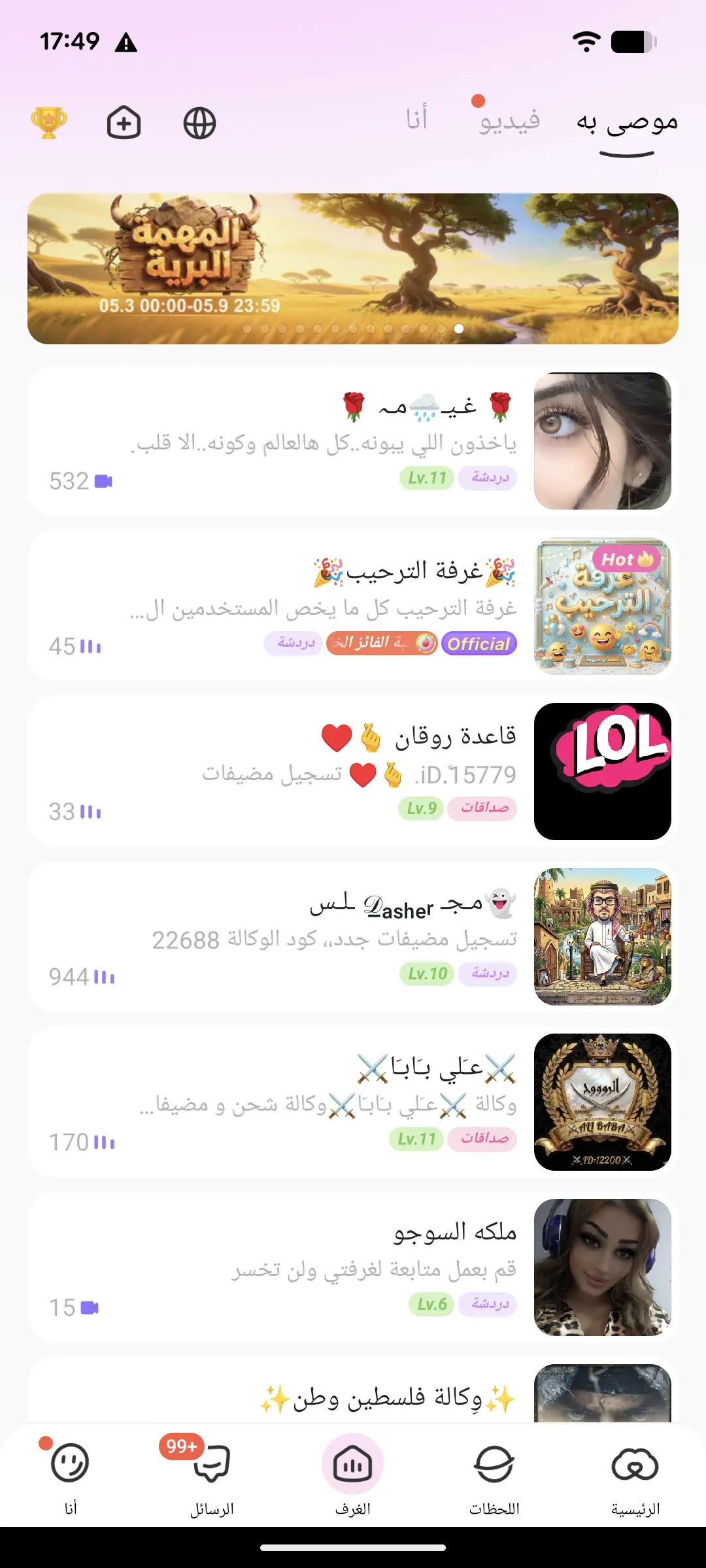
On SUGO, for example, a sponsor might fund a series of themed Live Party rooms dedicated to financial literacy, wellness, or cross-cultural exchange, and ask hosts to collect community questions in advance. During the session, the sponsor can take a seat as a guest, offer perspectives, and pledge continued support. The result feels like a digital town hall, not a banner on a website.

Why control and curation matter
Control matters to a wealthy sponsor because it lets them align the room’s environment with their personal brand, risk tolerance, and strategic goals. Sponsoring a room is less about dominating conversation and more about designing the “rules of the house” where others speak.
Wealthy individuals carry reputational risk: any public initiative tied to their name must match their values and stay clear of high-profile missteps. This drives a preference for controlling room rules, moderator selection, and topic boundaries. Digital-patronage research on platforms like Twitch shows that patrons often support not just a creator but a vision of the community — and the same logic applies to a sponsored voice room.
The relationship between alignment and philanthropy
Sponsorship works best when philanthropy and personal brand stay aligned. If a sponsor’s cause is financial literacy, a room full of money chatter and pressure sits awkwardly with their image. The cure is intentionality: choose rooms whose mission you genuinely support, and let that mission guide moderation and programming. This alignment protects both the sponsor’s reputation and the community’s trust.
It also matters to be transparent. Participants should understand why a room is sponsored and that sponsorship funds the infrastructure, not necessarily their behavior. Clear and honest framing prevents resentment and keeps the room feeling community-owned rather than owned-by-one-person.
Expert and community perspective
Trust-and-safety and community teams working with live audio observe that sponsorships succeed when treated as long-term relationships rather than short campaigns. Sponsors who show up consistently, listen, and adjust their approach based on feedback build the most resilient rooms. Clarity of mission is equally crucial: rooms with a defined purpose are easier to moderate and navigate. And healthy power-sharing — empowering hosts, moderators, and emerging leaders instead of controlling every decision — produces more voices and more sustainable engagement.
Safety and privacy are non-negotiable foundations. Sponsors who emphasize respectful behavior, discourage oversharing of sensitive data, and support enforcement of community guidelines ensure that good intentions translate into genuinely positive experiences. For the rules that govern these spaces, see the SUGO platform guidelines.
What makes sponsored rooms different from ordinary ones
A sponsored room differs from a grassroots one in a few concrete ways. It typically has more predictable funding for moderation and programming, which means it can sustain recurring events and consistent audio quality. It often carries a clearer mission, because the sponsor’s values shape the theme. And it usually benefits from a named presence that draws both curious newcomers and loyal regulars.
These differences are advantages only if managed well. Predictable funding can breed complacency if nobody reviews why sessions work. A clear mission can become rigid if the community’s needs shift. And a named presence can become a spotlight that pressures people into performing. The sponsors who handle this best use their advantages to remove barriers for participants — paying for better moderation, scheduling reliable events, and attracting an audience — rather than to control the conversation. In effect, they build a venue and let the community fill it.
One-off event sponsorship or ongoing support?
A sponsor can choose to back a one-off event such as a single discussion, or commit to a recurring room. Each choice has a different logic. Event sponsorship resembles traditional project-based giving: bounded impact, clear messaging, and a small time commitment, but it ends and does not build a loyal audience. Ongoing support is harder at the start and a heavier commitment, but it compounds: people begin attending because it is “the usual time,” and a room culture forms instead of temporary relationships.
Many start several scattered one-off events and then wonder why impact is absent. Better to pick one direction and support it regularly; two consecutive months of the same room build more than ten scattered events. Once the routine is proven, expand based on that first experience rather than guesswork.
A practical path for new sponsors
Start small rather than ambitious. Sponsor one well-defined room with a recurring schedule, and add complexity as the community’s needs become clear. Three principles keep the balance between influence and trust:
- Limit your mic time to brief welcomes, occasional Q&A, and strategic interventions.
- Delegate day-to-day facilitation to trusted hosts and moderators.
- Use virtual gifts deliberately — to reward thoughtful contributions and reinforce the room’s mission, not to dominate.
Sponsors who follow this tend to build rooms that feel like digital institutions: places where people gather predictably, learn from each other, and experience the sponsor’s contribution as ongoing support rather than a branding exercise. Over time, a well-run sponsored room compounds its own value, drawing participants who come for the community and stay because it is well maintained.
How do you know a sponsored room is working? Look beyond live statistics to qualitative signals: whether regulars return and invite others, whether new participants feel safe enough to speak, whether moderators report lower friction, and whether the room’s own members begin organizing their own events. Those indicators show a community that has internalized the room as its own — the truest measure of a sponsorship that outlasts any single campaign.
Common mistakes new sponsors make
One of the biggest mistakes is turning the room into a personal platform: the sponsor showing up to every session and for a long time makes participants feel like guests in his place rather than owners of their own. Another mistake is ignoring community feedback: if participants find the moderation rigid or the topics biased, continuing as before wastes trust. Measuring success by attendance alone is equally wrong; a big crowd can mask a lack of depth.
The fix is simple but requires discipline: set clear indicators in advance — returning regulars, members organizing their own events, quality of discussion — and review them monthly. These qualitative signals measure real impact better than moment-to-moment attendance, and keep sponsorship from becoming an empty public-relations exercise.
FAQ
Why would a wealthy person choose live audio over traditional philanthropy? Live audio offers immediate, conversational feedback that traditional giving rarely provides. A sponsor hears stories directly from participants, adjusts programming quickly, and feels they are nurturing a living community.
How can a sponsor avoid dominating their own room? Limit mic time to brief welcomes and occasional Q&A, and delegate daily facilitation to hosts. This maintains influence without overshadowing community voices.
What role do virtual gifts play? They act as visible signals of appreciation. Sponsors can use them to reward thoughtful contributions and encourage emerging leaders, keeping participation voluntary and transparent.
Can one sponsor run multiple rooms? Yes, as long as each has a clear mission, dedicated hosts, and adequate moderation. It is often wise to pilot one flagship room first, then expand once stable practices are established.
How should a sponsor respond to safety issues? Treat them as top priority: encourage in-app reporting, support moderators in enforcing rules, and pause or restructure the room if needed. Responding promptly and transparently protects trust.