
To chat with foreigners online, choose a platform that fits your goal, introduce a shared interest, and ask one easy question. Use a language-exchange service for practice or an adult social community for casual conversation. Keep personal information private and let the other person choose whether to continue.
Last updated:
What Are the Best Platforms to Chat with Foreigners?
Choose a service for the kind of conversation you want. Language exchange, meeting strangers, and calling someone you already know are different tasks. An app can work internationally without helping you discover new people, and a random-chat service does not necessarily match your learning goals.
Tandem’s official introduction describes language partners, chat, video, corrections, and translation tools. HelloTalk’s official site describes language exchange through text, voice, video, and Voicerooms. Those are closer to a practice-partner task than a generic address book or international calling service. Check current plan limits rather than assuming every tool is unlimited.
| Your goal | Service or format to inspect | Useful documented feature | Boundary to keep in mind |
|---|---|---|---|
| Practice a language with a partner | Tandem | Partner-based language exchange, chat, video, corrections, and translation tools. | Agree on practice goals; an available partner is not a guaranteed tutor or immediate reply. |
| Practice through messages or live discussions | HelloTalk | Text, voice and video exchange, plus Voicerooms. | Read room rules and current access limits; language exchange is different from a dating service. |
| Join a voice-based social conversation | SUGO | Its official introduction describes group voice chat and private rooms. | SUGO is for adults; this guide does not establish universal live translation or country filtering. |
| Talk to someone you already know | An agreed messaging or calling service | A shared account or contact method can connect existing friends. | This does not, by itself, help you find a new conversation partner. |
This guide is published on SUGO’s own blog. SUGO is one option for adult social conversation, while a dedicated language-exchange app may be a better fit when corrections and practice partners are your main priority. The table is an editorial selection aid, not a hands-on performance ranking.
How Do You Start a Conversation with Foreigners?
Start with a shared topic and one easy question. A room description, a public interest, or a language-learning goal gives the other person something to respond to. You do not need to begin by asking for a precise location, phone number, private photo, or social account.
- Choose one purpose. Decide whether you want a casual conversation, language practice, or discussion of a hobby. Pick one room or partner that fits.
- Read the rules before posting. Check whether the space is intended for conversation, study, friendship, or another purpose. Enter as a listener if you are unsure.
- Introduce a topic. For example: “I’m practicing English and enjoy cooking. What is one dish you would recommend trying?” This is a sample message, not a quotation from a user.
- Ask one follow-up. Respond to what they said rather than sending a list of personal questions. Offer a related detail about your own interests.
- Let the conversation end naturally. If the person does not reply or declines, move on politely. Do not repeatedly message them or pressure them to switch apps.
A possible first-session plan is to spend a few minutes reading a room’s topic, a few minutes on introductions, and the remaining time on one shared interest. For example, a 15-minute practice session could use five minutes in each person’s target language and five minutes to review unfamiliar phrases. This is a suggested schedule, not a claim that a platform will find a partner within that time.
Is It Safe to Chat with Foreigners Online?
No platform can make every stranger trustworthy. Use the same boundaries you would apply to any unfamiliar contact: keep sensitive details private, decline financial requests, and stop an interaction that becomes uncomfortable. A convincing voice, photo, or claim about nationality does not verify identity.
SUGO’s Terms of Service require users to be at least 18 and to have reached their local age of majority. These published requirements do not prove that every account complies. Do not share passwords, one-time login codes, banking details, identity documents, or your home address in a chat.
If someone pressures you to buy gifts, send money, make an investment, or move quickly to a private channel, end the conversation and use the platform’s available reporting tools. Keep any relevant evidence within the service’s rules. For SUGO-specific issues, consult the Platform Guidelines and the support options actually shown in your account.
Why Do People Want to Chat with Foreigners?
People may want a language partner, a friend who shares a hobby, or a different perspective on everyday life. Knowing your own reason makes it easier to choose a setting and explain what you are looking for. It also helps you respect someone who wants a different kind of interaction.
A person who joins a language-practice room may not want flirting or a sales pitch. Someone in a gaming discussion may prefer talking about a game rather than giving grammar corrections. Ask whether a topic or correction is welcome instead of assuming that everyone from another country has the same interests.
Which Features Help You Connect Better Globally?
Look for features that remove a real obstacle: language tools when you cannot understand a sentence, voice when pronunciation matters, and persistent messages when schedules do not overlap. Search filters and active-room availability vary by service. Verify that a feature is present in your account before planning around it.
Tandem and HelloTalk explicitly describe language-learning tools on their official sites. That evidence does not establish that SUGO includes the same tools, that translation is live during every call, or that a translation is accurate. If you need help understanding a message, ask the sender to rephrase and avoid sending private conversation content to an outside tool without permission.
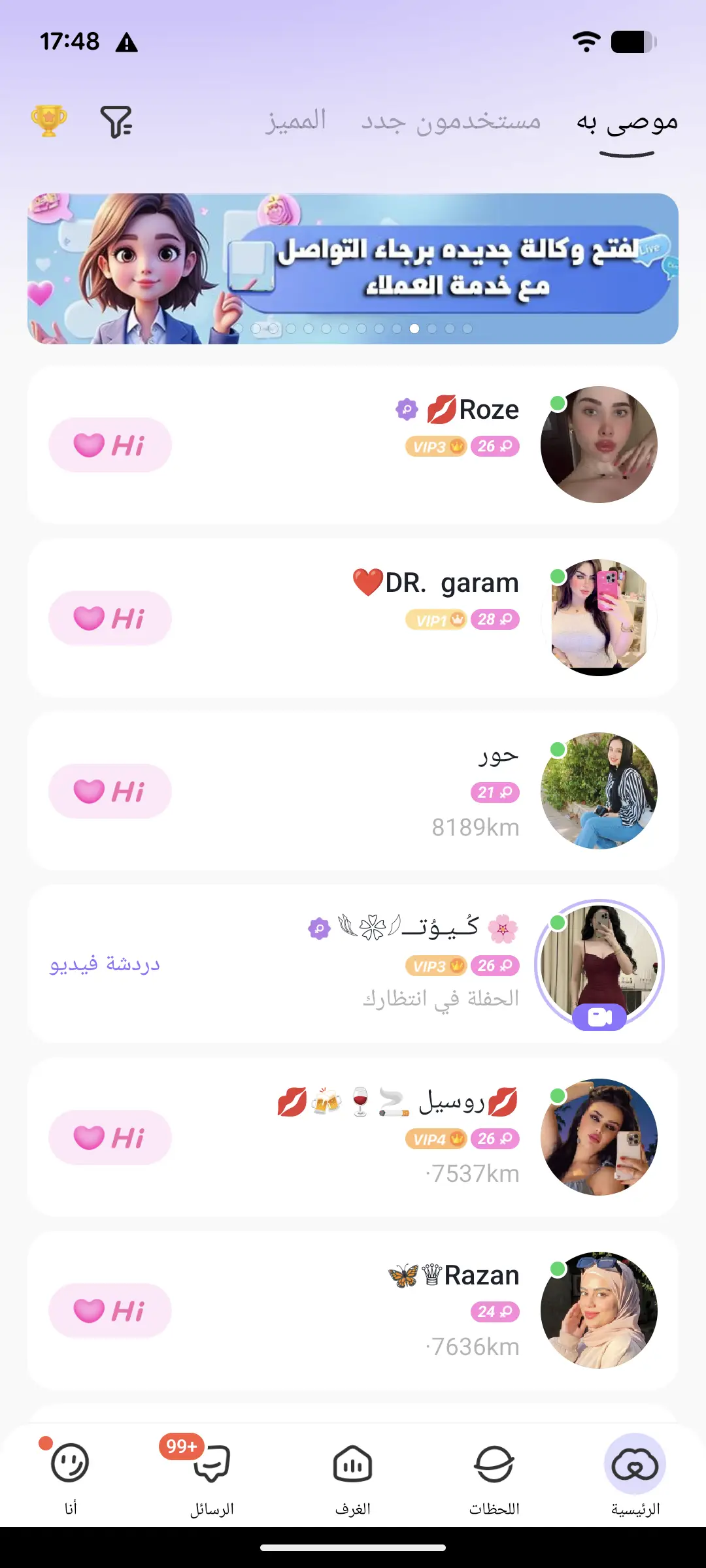
How Does Voice Chat Improve Cross-Cultural Communication?
Voice can help you hear pronunciation and tone, but it does not automatically prevent misunderstanding. Accents, background noise, speaking speed, and unfamiliar expressions can still make a call difficult. Start with text if that is easier, then ask whether the other person wants to use voice.
During a call, keep questions short and give the other person time to answer. If a phrase is unclear, ask for it in writing or repeat back what you think it means. A quiet setting or headphones may help you hear; neither is a substitute for confirming meaning.
Can Chatting with Foreigners Improve Language Skills?
Conversation gives you a way to practice using a language. It works best when both people understand the goal: who wants corrections, which language to use, and whether the session is practice or simply social conversation. A social app is not automatically a course or a source of qualified teaching.
| When the conversation stalls | Try this next | Avoid this assumption |
|---|---|---|
| You understand individual words but not the sentence | Ask for a shorter version and confirm the meaning in your own words. | A translation tool must be correct because its sentence sounds fluent. |
| One partner speaks much more than the other | Agree on a short turn for each person or switch to one question at a time. | Speaking faster will make the exchange more useful. |
| A partner is not online when you are | Agree on a time zone and a mutually convenient time; use messages meanwhile. | No immediate answer means the person is deliberately ignoring you. |
| Corrections interrupt every sentence | Ask to save corrections until the end of a turn or focus on one kind of mistake. | Everyone wants a grammar lesson during casual conversation. |
You can keep a small personal vocabulary note after a session, but do not copy or publish another person’s messages or recordings without permission. Progress varies with your starting level, practice, and feedback; this guide does not promise a fluency deadline.
What Cultural Etiquette Should You Follow When Chatting?
Respect, politeness, and openness are useful when talking with people from different backgrounds. Ask rather than guess about names, pronunciation, forms of address, or whether a topic is welcome. Treat a person’s answer as their own perspective, not the view of an entire country.
Avoid sensitive questions at the start, do not mock accents, and respect a request to change the topic or end a call. If a message sounds abrupt, ask what it means before assuming hostility. You can be curious about culture without demanding personal information or expecting someone to represent everyone where they live.
How Can You Find Like-Minded Foreign Friends?
Join interest-based communities and participate in the conversations already happening there. Shared interests make a follow-up easier: a book, a game, a recipe, or a language goal gives you something to talk about again. A country label alone is a weak basis for a friendship.
If a conversation goes well, ask whether the person would like to talk again in the same app or room. Offer a specific topic or time and accept a refusal. For more topic ideas, use the shared interests and learning guides rather than treating each new chat as a reason to repeat the same personal questions.
Conclusion
To chat with people from other countries, choose a service for your purpose, begin with a shared interest, and make the first exchange easy to answer. Use language tools carefully, agree on how to handle corrections, and keep control of your personal information. A useful first conversation matters more than collecting contacts from many countries.
Adults who prefer voice-based social conversation can explore SUGO. People mainly seeking structured language exchange should also inspect the dedicated tools and partner expectations of language-learning services.
FAQs
Can I start if I only know basic phrases?
Yes. Say that you are learning, choose one simple topic, and use short messages. Ask the other person to rephrase when needed rather than pretending to understand.
What should I do if nobody replies?
Check whether your message fits the room or profile, then try a specific shared-interest question. Respect silence or a refusal and avoid sending repeated requests.
Can I choose a partner from a specific country on SUGO?
This guide has not verified universal country-filter availability. Check your account’s actual discovery options; a profile location is not proof of nationality.
Do language tools make every conversation free or accurate?
No. Availability and plan limits vary by service, and translation can miss context. Check current access terms and confirm important meaning with the other person.
More guides on this topic: Shared Interests, Learning and Everyday Life